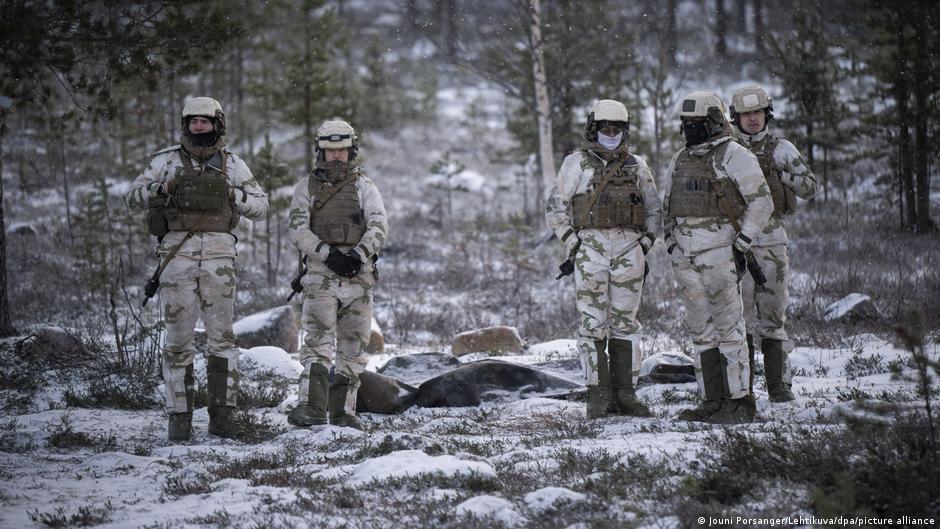
The frigid expanse of Greenland, traditionally a serene backdrop for discussions on climate change and indigenous cultures, has suddenly found itself at the epicenter of a geopolitical tempest. In an astonishing development, Paris has advocated for a robust NATO military exercise on the massive island, a direct response to recent pronouncements by the US President regarding territorial interests. This isn't merely a polite diplomatic suggestion; it's a pointed declaration designed to assert sovereignty and alliance solidarity in the face of what some perceive as unconventional diplomatic overtures.
The catalyst for this extraordinary call traces back to the US President’s unexpected, albeit dismissed, interest in acquiring Greenland. While initially sounding like a proposition from a bygone colonial era, the underlying strategic implications are profound. Greenland boasts immense untapped natural resources and occupies a critical geopolitical position within the Arctic, an increasingly contested zone for global powers. Such discussions, however unconventional, naturally spark anxieties among traditional allies about the stability of existing international norms and territorial integrity.
France's proactive stance in proposing a NATO demonstration sends a clear message: Greenland is not an unassigned territory ripe for discussion, but a integral part of the Kingdom of Denmark, and by extension, protected by existing alliances. By offering to contribute troops, France is not just defending a NATO member's sovereignty; it's also reaffirming European commitment to the alliance and its collective defense principles, especially at a time when questions about US reliability occasionally surface. It’s a strategic maneuver to anchor the island firmly within the Western security framework.
While NATO's leadership is reportedly working to manage the situation through discreet diplomatic channels, the public nature of France's proposal underscores a deeper strain within the transatlantic partnership. It highlights a recurring tension where European allies feel compelled to publicly reinforce their strategic autonomy and commitment to international law when faced with what they might interpret as disruptive foreign policy actions from their primary security guarantor. This incident serves as an unusual test case for how the alliance navigates both external pressures and internal disagreements.
Ultimately, this entire episode transforms Greenland into an unlikely, yet crucial, barometer for contemporary international relations. It compels us to consider the future of territorial sovereignty in a world of shifting power dynamics, the resilience of multilateral alliances, and the evolving strategic significance of the Arctic. Whether this leads to a heightened sense of collective security or further fragments geopolitical trust remains to be seen, but the ice beneath these diplomatic waters is certainly thinning.
Greenland: France calls for NATO exercise amid Trump threats


0 Comments