From Ice Caps to Conflict Zones: NATO's Urgent Horizon
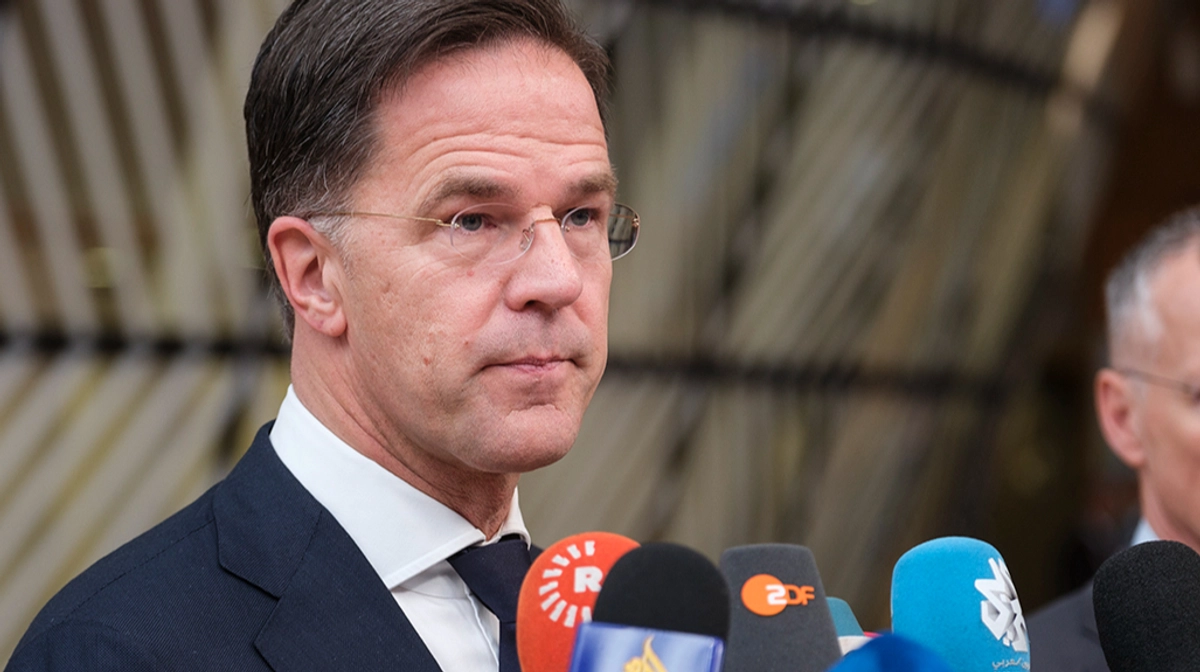
In a stark declaration that underscores the shifting tectonics of global security, the head of the North Atlantic Treaty Organization has articulated a clear re-calibration of the alliance’s most immediate concerns. While strategic interests in the High North and its vast, icy expanse have historically drawn considerable attention, a more direct and violent challenge unfolding on Europe’s eastern flank now indisputably commands the forefront of NATO's strategic calculus. This candid assessment reveals a pragmatic necessity to address the most pressing, immediate threat to international stability and the very principles the alliance was founded upon.
For years, the Arctic region, including the environs of Greenland, has been a growing arena of geopolitical interest, driven by melting ice caps opening new shipping routes, untapped natural resources, and increased military posturing by various nations. Discussions around maritime security, scientific research, and potential future conflicts over resource claims and territorial assertions formed a significant part of long-term strategic planning. This interest represented a forward-looking concern, a gradual evolution of security challenges tied to climate change and expanding global competition, demanding vigilance but perhaps less immediate, kinetic response.
However, the full-scale invasion of Ukraine by Russia dramatically altered this landscape. The unprovoked aggression, the humanitarian catastrophe, and the direct assault on a sovereign nation have created an existential crisis for European security and the rules-based international order. This conflict is not a distant, speculative threat, but a brutal reality challenging the core tenets of international law and collective defense, directly impacting the security posture of NATO members bordering the conflict zone and beyond. It demands immediate attention, resources, and a unified response from the alliance.
This explicit prioritization by NATO's leader is not merely an observation but a profound statement of operational focus. It signals where the alliance's energy, military planning, and political capital are primarily directed. While long-term strategic interests in other regions, such as the Arctic, certainly persist, they must, by necessity, yield precedence to the immediate imperative of containing aggression and supporting a nation under siege. This pivot underscores the alliance's adaptability, demonstrating its capacity to identify and concentrate on the most acute danger, even if it means temporarily re-weighting other important, yet less urgent, considerations.
Ultimately, NATO's current stance reflects a fundamental truth in security strategy: direct, kinetic threats to peace and sovereignty must take precedence over long-term, evolving geopolitical considerations. The ongoing devastation in Eastern Europe presents an unprecedented test of collective defense and international resolve. While the High North will undoubtedly reclaim its strategic spotlight in due course, for now, the alliance rightly focuses its immense capabilities on mitigating the immediate crisis, defending shared values, and ensuring stability where it is most violently challenged.
Main issue now is Ukraine, not Greenland, says NATO secretary general news


.jpg)

.jpg)
Comments
Post a Comment