Horizon Watch: The Multi-Billion Dollar Wave Reshaping Coastal Security
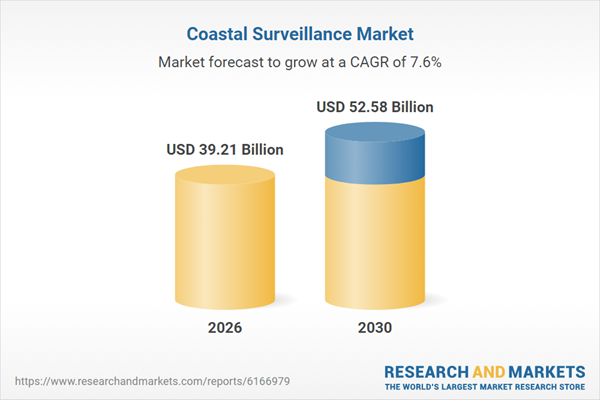
Our coastlines are more than just geographical boundaries; they are vital economic arteries, ecological treasures, and often, critical security frontiers. In an increasingly complex global landscape, the imperative to monitor and protect these extensive borders has never been greater. Recent analysis reveals an astonishing market opportunity, projecting investments potentially exceeding $50 billion into coastal surveillance over the coming years. This isn't just about spending more; it's about a profound transformation in how nations secure their maritime domains, driven by innovation and pressing global challenges.
This surge in investment isn't accidental; it’s a direct response to a confluence of geopolitical shifts and evolving threats. From safeguarding against illicit activities like smuggling and illegal fishing to managing territorial disputes and protecting critical infrastructure, the demands on maritime security forces are escalating. Nations worldwide are recognizing that robust coastal defense is paramount to national security and economic stability, leading to significant increases in defense budgets allocated towards advanced monitoring capabilities. The scale of this financial commitment underscores the strategic importance placed on comprehensive oversight of our shores.
At the heart of this market expansion lies a remarkable technological revolution. We're witnessing the widespread adoption of artificial intelligence for predictive analytics and anomaly detection, alongside an explosion in uncrewed aerial vehicles (UAVs) offering persistent, high-resolution aerial perspectives. These advancements are complemented by sophisticated multi-sensor platforms that integrate various data streams – from radar to sonar to satellite imagery – creating an unparalleled level of situational awareness. This integration of smart algorithms and autonomous systems is enhancing detection capabilities, improving response times, and vastly increasing operational efficiency.
Beyond traditional defense, these sophisticated surveillance systems are finding crucial applications in broader domains. Environmental monitoring is a rapidly growing area, with advanced sensors tracking everything from ocean pollution and illegal waste dumping to critical changes in marine ecosystems. These tools provide invaluable data for climate research, conservation efforts, and disaster preparedness, illustrating the versatility and dual-use potential of cutting-edge coastal technology. The ability to observe and analyze our oceans with unprecedented detail promises benefits extending far beyond mere security.
Looking ahead, the trajectory for coastal surveillance is clear: it will be increasingly intelligent, integrated, and autonomous. This isn't merely about deploying more cameras or drones; it's about creating interconnected networks that provide real-time, actionable intelligence across vast maritime expanses. The coming decade promises a landscape where our coasts are not just defended, but truly understood and protected through a seamless blend of human expertise and technological prowess, fundamentally reshaping our relationship with the world's oceans and ensuring the safety of our maritime frontiers for generations to come.
Coastal Surveillance Research Report 2026: $52.58 Bn Market Opportunities, Trends, Competitive Landscape, Strategies, and Forecasts, 2020-2025, 2025-2030F, 2035F coastal surveillance systems,maritime analytics,vessel tracking,coastal surveillance,maritime security,maritime patrol,research and markets


.jpg)

.jpg)
Comments
Post a Comment