Lead's Unexpected Resurgence: Decoding the Future of a Controversial Chemical Market
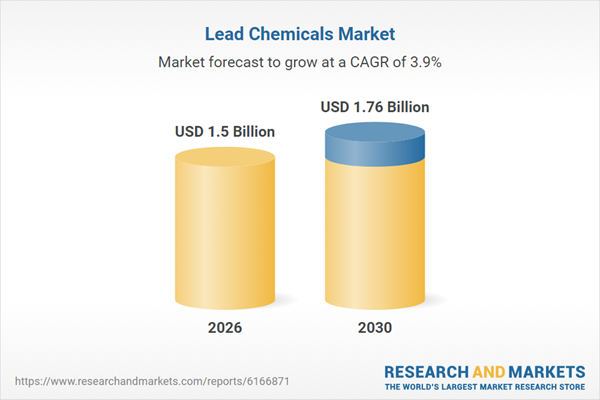
In an era increasingly defined by green initiatives and the phasing out of hazardous materials, the news of a projected multi-billion dollar expansion in the market for lead-based compounds might raise an eyebrow or two. Far from being relegated solely to history books, this seemingly archaic element is finding new life in highly specialized, high-performance applications, demonstrating a nuanced shift in how industries leverage its unique properties under stringent modern regulations. This isn't a return to the widespread, unchecked usage of the past, but rather a focused strategic deployment in critical sectors.
A significant driver behind this surprising growth is the global pivot towards electrification, particularly in transportation and grid infrastructure. The surge in electric vehicle adoption and the need for robust, reliable energy storage solutions are creating a renewed, albeit highly specific, demand for certain lead compounds. While lithium-ion batteries dominate headlines, auxiliary power systems and specialized industrial batteries often rely on established, cost-effective lead chemistries, particularly where durability and performance in extreme conditions are paramount. This segment highlights lead's enduring utility when engineered for purpose-built applications within a rapidly evolving energy landscape.
Crucially, this market's expansion is not at odds with environmental responsibility but is intertwined with it. The report emphasizes a move towards advanced formulations that meet stricter ecological standards. This suggests significant innovation in manufacturing processes, material handling, and end-of-life recycling for lead compounds. Companies are investing in closed-loop systems and safer alternatives within existing lead-based technologies, ensuring that performance benefits do not come at an unacceptable environmental cost. It speaks to a chemical industry striving for responsible stewardship even with challenging materials.
Beyond the realm of batteries, specialized industrial uses are also contributing to this upward trajectory. Lead's remarkable density, shielding capabilities, and specific chemical reactivity make it indispensable in certain niche, high-value applications where no readily available substitute offers comparable performance. Think of radiation shielding in medical and nuclear facilities, or specific chemical catalysts in manufacturing. These are sectors where precision, safety, and performance outweigh many other considerations, driving demand for meticulously engineered lead solutions that adhere to the highest safety and environmental protocols.
Ultimately, the projected growth of the lead chemicals market paints a fascinating picture of industrial evolution. It’s a testament to the fact that even materials with historical baggage can find renewed relevance through innovation, targeted application, and a rigorous commitment to sustainability. The future isn't about ignoring lead's risks, but rather about mastering its potential in controlled environments, demonstrating how strategic material science can balance performance needs with an unwavering dedication to ecological compliance and human safety.
Lead Chemicals Research Report 2026: $1.76 Bn Market Opportunities, Trends, Competitive Landscape, Strategies, and Forecasts, 2020-2025, 2025-2030F, 2035F specialty chemicals,research and markets,inorganic compound,lead nitrate,chemicals,additive,reagents


.jpg)

.jpg)
Comments
Post a Comment