Steel Sentinels Reshaped: The Multi-Billion Dollar Evolution of Armored Transport
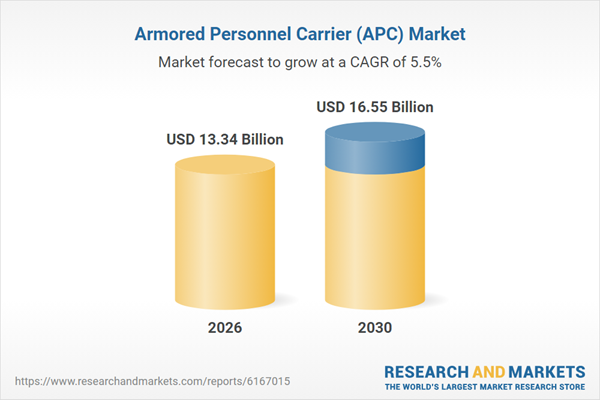
The landscape of modern defense is in constant flux, demanding vehicles that are not just robust but also intelligent, adaptable, and increasingly autonomous. A recent market deep-dive, peering into the future of Armored Personnel Carriers (APCs) up to 2035, paints a picture of explosive growth, projecting a colossal $16.55 billion in market opportunities. This isn't just about more armored vehicles; it signifies a profound transformation in how ground forces are protected and projected, driven by technological breakthroughs and an ever-evolving global security imperative.
At the heart of this projected expansion lies a wave of revolutionary innovation. Future APCs are shedding their monolithic designs in favor of highly customizable frameworks, allowing for rapid mission-specific adaptations, from enhanced medical transport to sophisticated command centers. Simultaneously, the integration of autonomous capabilities is moving beyond theory, promising robotic companions for human teams, capable of navigating dangerous terrains or executing support roles without direct human presence. Complementing these advancements are groundbreaking strides in protective materials, offering superior resilience against an array of threats, fundamentally enhancing survivability for personnel in high-risk zones.
Several powerful forces are propelling this market forward. Nations worldwide are engaged in critical programs to modernize their defense assets, replacing aging fleets with more agile, technologically advanced systems that can meet contemporary threats. Beyond traditional warfare, the increasing global demand for effective peacekeeping and humanitarian stabilization operations further necessitates a new generation of protected mobility. These vehicles are vital tools for maintaining order, protecting non-combatants, and ensuring safe passage for aid workers in volatile regions, underscoring their role not just in conflict, but in conflict prevention and recovery.
Geographically, the momentum is distinct. North America, with its established defense industrial base and significant research and development investments, currently stands as a dominant force in the APC sector. However, the most rapid expansion is anticipated to surge from the Asia-Pacific region. This growth is a clear indicator of burgeoning defense budgets, regional security concerns, and a strategic push by nations within the region to enhance their military capabilities and project influence, driving substantial procurements and fostering local innovation.
Ultimately, the forecasted multi-billion dollar surge in the APC market isn't merely a financial statistic; it represents a strategic pivot in military and security doctrine. It’s a commitment to equipping forces with smarter, safer, and more flexible platforms capable of navigating the complex challenges of the 21st century battlefield and beyond. The future of armored transport is not just about protection; it's about intelligence, adaptability, and the relentless pursuit of safeguarding human lives in an unpredictable world, shaping the very definition of modern ground operations for decades to come.
Armored Personnel Carrier (APC) Research Report 2026: $16.55 Bn Market Opportunities, Trends, Competitive Landscape, Strategies, and Forecasts, 2020-2025, 2025-2030F, 2035F armored personnel carrier,infantry fighting vehicle,tactical vehicle,armored utility vehicle,research and markets,tanks and armored vehicles


.jpg)

.jpg)
Comments
Post a Comment