Stockholm's Steel: Why Sweden is Saying 'No' to Bullying
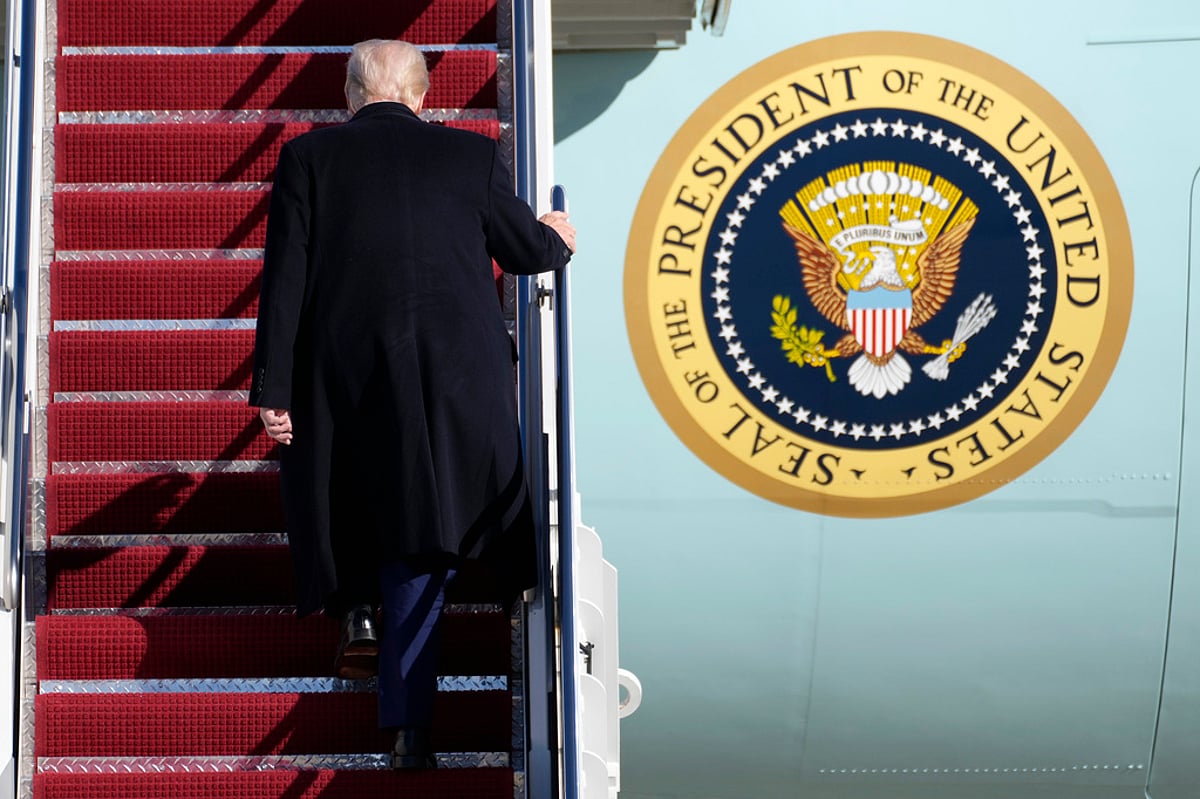
In an era where geopolitical landscapes shift with alarming speed, a clear voice of principled resistance has emerged from Stockholm. The Swedish Prime Minister's recent statements, pushing back against what is perceived as undue pressure from the United States, highlight a growing discomfort brewing across the European continent. It's a refusal to be swayed by external coercion, particularly as Washington's aggressive trade postures and audacious rhetoric regarding territorial acquisition in the Arctic cast a long shadow over transatlantic relations.
The specific points of contention – the prospect of impending import duties and the extraordinary notion of acquiring Greenland – transcend mere policy disagreements. They symbolize a deeper fracture in the fabric of international alliances, where established partners suddenly find themselves on the receiving end of tactics more commonly reserved for adversaries. The idea of a sovereign territory being treated as a bargaining chip or a commodity for purchase, especially from a long-standing ally's domain, sends a chilling message about the respect accorded to national self-determination and the sanctity of borders.
Sweden, a nation with a proud history of maintaining a distinct foreign policy and strong democratic values, isn't just reacting to isolated incidents. This firm declaration reflects a broader European sentiment that alliances are built on mutual respect and shared values, not on transactional demands or veiled threats. For many in Europe, the current administration's 'America First' doctrine increasingly feels like 'America Alone' in its approach to diplomacy, forcing allies to reconsider the foundations of their strategic partnerships and whether traditional loyalty is still reciprocated.
This pushback from Sweden is more than a diplomatic spat; it's a critical moment for transatlantic relations. It underscores the potential for historical bonds to fray under the strain of perceived unilateralism and a transactional view of international cooperation. Such strong rhetoric from a nation like Sweden could galvanize other European leaders to articulate their own concerns more forcefully, potentially leading to a more unified European stance on defending sovereignty and collective interests against what they deem as overreach.
Ultimately, the Swedish PM’s stance is a powerful reminder that while nations may share strategic goals, sovereignty and dignity are non-negotiable. It's a call for a return to diplomacy rooted in trust and genuine partnership, rather than pressure tactics that risk eroding decades of hard-won cooperation. In a world facing complex global challenges, strong alliances are more crucial than ever, but they can only thrive when all parties feel equally valued and respected, free from the shadow of coercion.
Will Not Be Blackmailed: Swedish PM Says As Tensions With US Mount trump,trump in davos ,trump in davos latest news,trump in davos switzerland


.jpg)

.jpg)
Comments
Post a Comment