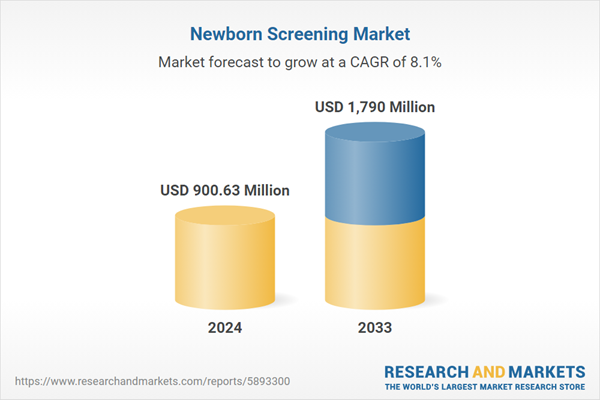
Imagine a world where the earliest days of a child's life are fortified by science, catching potential health challenges before they even manifest. This isn't science fiction; it's the rapidly evolving reality of infant health assessments. The global landscape of preventative pediatric care is experiencing a monumental surge, fueled by a collective commitment to giving every baby the healthiest possible start. As populations grow and understanding of inherited conditions deepens, the emphasis on early and accurate diagnosis becomes not just beneficial, but absolutely critical for long-term well-being.
At the heart of this revolution are incredible leaps in diagnostic technology. From sophisticated analytical tools like tandem mass spectrometry, capable of detecting a multitude of metabolic disorders from a tiny blood sample, to non-invasive pulse oximetry for identifying critical heart defects, the toolkit available to clinicians is expanding dramatically. Alongside these, advanced enzyme-based assays, precise DNA analysis, and electrophoretic techniques are allowing for the identification of a broader spectrum of genetic and physiological conditions than ever before, moving beyond basic checks to comprehensive molecular insights.
This impressive expansion isn't happening in a vacuum. It's propelled by several powerful currents: a rising global birth rate, increased public and parental awareness regarding inherited illnesses, and robust governmental initiatives supporting universal infant health checks. These factors combine to create a fertile ground for innovation, driving both the demand for and the development of more sensitive, specific, and accessible screening methods. The ultimate beneficiaries are countless families, spared the anguish of late diagnoses and empowered with early intervention strategies that can profoundly alter a child's developmental trajectory.
My analysis suggests that the industry's focus on instruments and the consumable reagents and assay kits highlights a sustainable growth model, indicating ongoing investment in research and development to refine existing tests and introduce new ones. This continuous innovation ensures that as medical science progresses, so too will our ability to protect the most vulnerable among us. We are witnessing a shift towards more proactive, personalized pediatric care, where data-driven insights from the very beginning of life lay the groundwork for a healthier adulthood, potentially reducing the societal burden of chronic diseases in the long run.
Ultimately, the burgeoning field of early infant diagnostics represents more than just market trends or technological advancements; it embodies a profound humanitarian commitment. It's about leveraging the cutting edge of science to build a brighter, healthier future for every child born into our world. By catching conditions early, we're not just treating symptoms; we're offering the gift of opportunity, enabling children to thrive, reach their full potential, and live lives unburdened by preventable suffering. The ongoing evolution in this vital area promises a future where a healthy start is a universal expectation, not just a hope.
Newborn Screening Market Trends Analysis Report 2025-2033: Focus on Instruments and Reagents & Assay Kits, Tandem Mass Spectrometry, Pulse Oximetry, Enzyme-Based Assays, DNA Assays, Electrophoresis mass spectrometry,hearing screen,neonatal,maternal and neonatal care,spectrometry,diagnostics,laboratories,research and markets,newborn screening


0 Comments