A simmering controversy is bubbling to the surface, raising significant questions about the executive branch's authority in foreign affairs and its handling of seized national assets. At the heart of the matter is the disposition of oil reserves linked to Venezuela's state-owned enterprise, currently under the effective control of the United States. Without direct authorization from the legislative body, funds generated from the sale of this petroleum are reportedly being managed by the executive, sparking vigorous debate among elected officials about transparency and proper procedure.
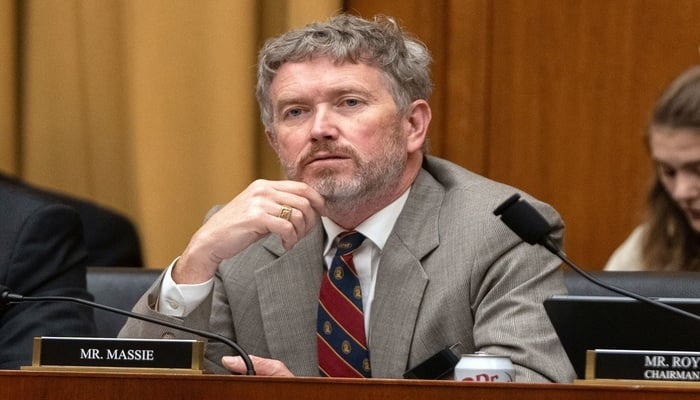
Among the voices of dissent, one prominent representative from Kentucky has sharply criticized the situation, alleging that the proceeds from these oil transactions could be diverted for personal gain rather than being transparently accounted for or allocated through established governmental channels. This concern extends beyond mere procedural wrangling, touching upon the fundamental principle of public trust and the potential for a blurring of lines between national interests and individual financial benefit, particularly when dealing with resources from a nation whose government's legitimacy remains a contentious issue.
The implications of this executive action are far-reaching, inviting scrutiny into the very definition of 'seizure' and 'stewardship' when a foreign nation's assets come under US control. What precedent does it set when an administration unilaterally decides the fate of such valuable commodities, especially in the absence of explicit Congressional oversight? This maneuver could be perceived as bypassing the democratic process, potentially eroding the constitutional balance of powers and creating a roadmap for future administrations to act without adequate checks and balances on financially significant foreign policy endeavors.
Beyond domestic concerns, the international community watches closely. Such actions can significantly impact diplomatic relations and the perception of US adherence to international norms regarding property rights and sovereignty. While the stated aim might be to support a particular political outcome in Venezuela, the method chosen – monetizing these assets without clear legislative mandate or a transparent fund management structure – risks undermining the very principles of rule of law that the US often champions globally. It also raises uncomfortable questions about who truly benefits when a nation's resources become a geopolitical pawn.
Ultimately, this situation underscores a critical tension between expediency in foreign policy and the imperative for democratic accountability and ethical financial management. The sale of another nation's primary resource, regardless of the political context, demands rigorous oversight and undeniable transparency. Without it, the line between strategic intervention and opportunism becomes dangerously thin, inviting cynicism and potentially setting a problematic precedent for how the executive branch might navigate future international disputes involving valuable assets.
Trump selling 'stolen' Venezuelan oil 'for his own piggy bank': Congressman Thomas Massie


0 Comments